

Understanding RAID 5
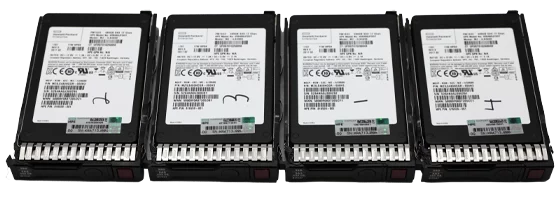
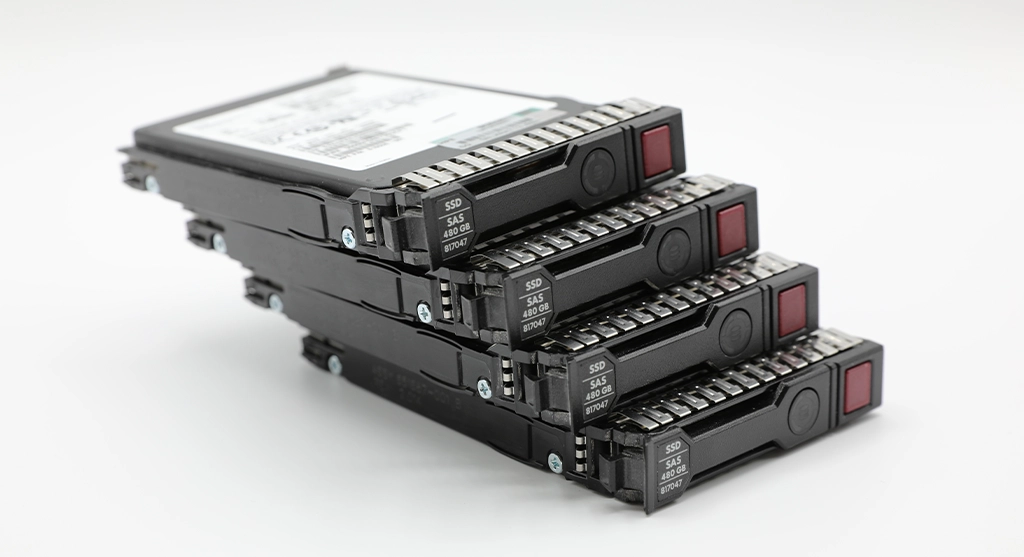
In a RAID 5 array, data is striped across multiple drives with distributed parity, allowing continued access even after a single drive failure. However, recovery becomes complex if multiple drives fail or an error occurs during rebuild. RAID 5 distributes data across all disks, boosting speed and capacity, but this structure also creates unique recovery challenges.
RAID, or Redundant Array of Independent Disks, enhances performance and reliability by combining multiple drives. RAID 5 is widely used for its strong balance of performance and fault tolerance.
RAID 5 Server Recovery
When disaster strikes and your RAID 5 array fails, you need a reliable and professional data recovery service to get your data back. PITS Data Recovery is your go-to choice for RAID 5 server data recovery, with a proven track record, experienced team, and cutting-edge technology.
Never let RAID 5 data loss disrupt your business operations or rob you of cherished memories. Contact PITS Data Recovery today, and let us bring your lost data back to life. With our expertise and commitment to data recovery, we are your trusted partner in ensuring the safety and accessibility of your critical information.
Rest assured, your data is in safe hands with PITS Data Recovery. Trust us to navigate the complexities of RAID 5 data recovery and provide you with the best possible outcome. Your data’s integrity and your peace of mind are our top priorities.
Common Issues with RAID 5
Rebuild Failures
During a rebuilding process, occur when a new drive is added to replace RAID 5 recovery for 1 failed drive, or more if necessary. There’s an increased risk of encountering issues that can lead to data loss. If not done correctly, rebuilding the RAID 5 array can result in data loss.
Drive Failures
The most common issue with RAID 5 arrays is drive failures. When a drive fails, it disrupts the entire array, and if another drive fails before the first one is replaced and rebuilt, data loss becomes imminent.
Data Corruption
Data corruption can occur for various reasons, such as power surges, controller malfunctions, or software errors. When data corruption affects your RAID 5 array, recovering the lost or damaged data becomes crucial.