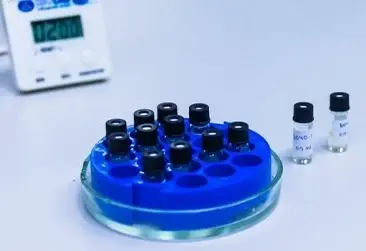
Heavy metals, including lead, arsenic, mercury, and cadmium, can pose severe health risks if present in your water supply. Our specialized Metals Testing Services help you identify these harmful contaminants and take actionable steps to ensure your water is safe for consumption and use.
"*" indicates required fields
Heavy metals can enter your water supply through various sources, such as aging pipes, industrial runoff, natural mineral deposits, or agricultural activities. Once present, they are difficult to detect without specialized testing, as they are often colorless, tasteless, and odorless. Common risks associated with heavy metals include:

Naturally occurring in some regions, arsenic contamination has been linked to skin conditions, cancer, and cardiovascular diseases.

Often introduced through industrial pollution, mercury can harm the nervous system and is particularly dangerous for pregnant women and young children.

Lead and copper can leach from old pipes, risking child development, kidneys, and nerves. Lead and copper testing for schools is mandated in many states for safety.

Found in industrial waste, cadmium exposure can lead to kidney damage and bone density loss.
Pro Tip: The EPA considers lead in drinking water a significant public health issue, with no safe level of exposure for children.
We provide a wide array of testing solutions to detect and quantify harmful metals in your water:
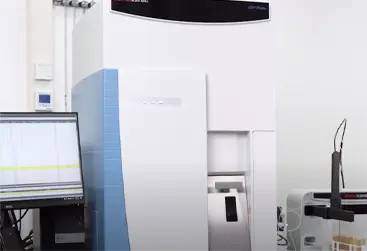
A highly sensitive method for detecting trace amounts of metals like lead, arsenic, and mercury.
Identify contamination sources in your plumbing system or water supply.
Evaluate if your plumbing materials are contributing to metal leaching.
Tailored to meet regulatory requirements or specific health concerns.
For urgent cases or time-sensitive analysis, we offer onsite testing and sampling services for fast, actionable results.
Reach out to schedule your test at a convenient time for you.
Some parameters, like pH and chlorine, conductivity, turbidity, can be tested momentarily with our on-site testing services for immediate results. Alternatively, opt for sample collection for comprehensive lab analysis
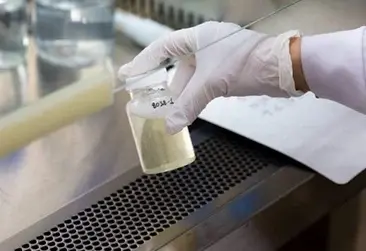
We can visit your location to collect water samples, ensuring proper techniques are followed for accurate testing. Proper sample collection is crucial to maintain the integrity of the analysis and avoid contamination.
Get detailed, actionable insights from our reliable reports, helping you address any water quality concerns effectively
Don’t wait for issues to arise—regular testing can prevent costly problems and health risks.
Metals testing is essential for:
After replacing or repairing plumbing.
If your water source is near industrial or agricultural zones.
If you notice changes in water taste, color, or smell.
Annually, for households with private wells or older plumbing systems.
During pregnancy or when preparing baby formula.
Detect harmful levels of metals early to prevent long-term health impacts.
Meet EPA and local water safety standards for heavy metals.
Address issues like taste, odor, and safety concerns linked to heavy metal contamination.
Receive actionable insights to implement effective water treatment solutions.
ICP-MS (Inductively Coupled Plasma Mass Spectrometry) for detecting trace metals with precision.
Microbiological Testing for identifying pathogens like E. coli and Legionella.
Ion Chromatography for measuring ions like nitrates and sulfates.
Protect your environment with our specialized water and air quality testing solutions, offering comprehensive analysis to detect contaminants, convenient sample collection, and on-site testing for immediate results. Contact us today to schedule a consultation or on-site visit and take the first step toward a healthier, safer environment!
Lead exposure can cause developmental delays in children, neurological issues, and kidney damage. It often enters water through corroded pipes or solder in older homes.
While some metals may alter taste or color (e.g., copper turning water blue-green), others like lead are undetectable without proper testing.
Testing is recommended annually for private wells and older homes, or whenever there’s a change in water quality.
We provide actionable recommendations, such as installing reverse osmosis systems, upgrading plumbing, or using certified filtration solutions.
The EPA’s action level for lead is 15 parts per billion (ppb), though no level is considered safe for children. Limits vary for other metals.
Fill out the form below, and our team will get back to you as soon as possible.
"*" indicates required fields