Why is Legionella Testing Important?
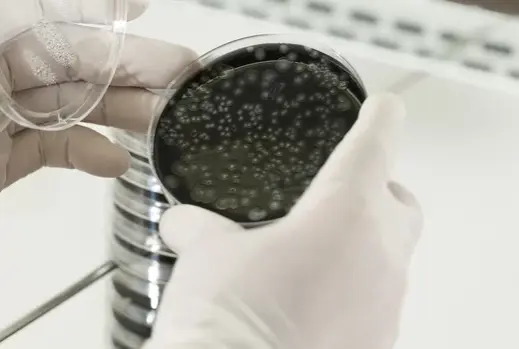
Legionella bacteria can grow in environments such as cooling towers, hot tubs, fountains, and plumbing systems, especially when water stagnates or temperatures are conducive to bacterial growth. Testing for Legionella is crucial to:
Protect public health
Avoid outbreaks of Legionnaires’ disease
Comply with regulatory requirements and industry standards
Maintain the reputation and safety of your facility
Learn how HVAC water testing and construction water testing can expose early-stage Legionella risks.
Trusted Standards & Certifications
We maintain the highest standards in environmental compliance and sustainability. Our certifications demonstrate our commitment to responsible practices and regulatory excellence.
Our Testing Process is Simple and Efficient
01.
Reach out to schedule your test at a convenient time for you.
02.
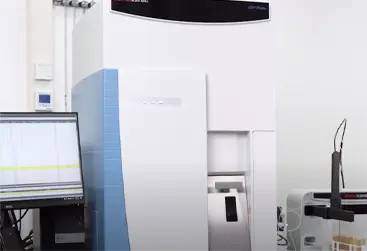
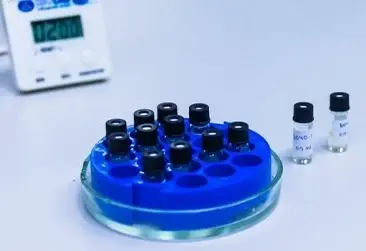
Some parameters, like pH and chlorine, conductivity, turbidity, can be tested momentarily with our on-site testing services for immediate results. Alternatively, opt for sample collection for comprehensive lab analysis
03.
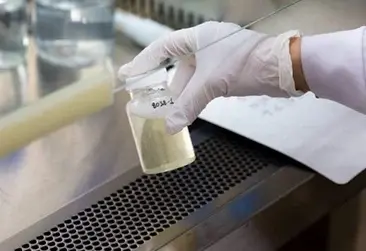
We can visit your location to collect water samples, ensuring proper techniques are followed for accurate testing. Proper sample collection is crucial to maintain the integrity of the analysis and avoid contamination.
04.
Get detailed, actionable insights from our reliable reports, helping you address any water quality concerns effectively
Regulatory Compliance
We follow the latest guidelines and standards, including:
Our accreditations and certifications ensure we meet strict local compliance standards across both states.
Who Needs Legionella Testing?
Don’t wait for issues to arise. Regular testing can prevent costly problems and health risks.
Legionella testing is essential for:
- Healthcare Facilities: Hospitals, nursing homes, and clinics where vulnerable populations are at higher risk.
- Commercial and Residential Buildings: Large buildings with complex plumbing systems.
- Hotels and Hospitality Businesses: Places with water features such as pools, spas, and fountains.
- Industrial Sites: Factories and facilities using cooling towers or other water-based processes.
- Property Managers and Landlords: Ensuring compliance with regulations for tenant safety.