
Why Test for Lead and Copper?
Lead exposure, even at low levels, can impair children’s development, behavior, and learning.
Copper, while essential in small amounts, can cause health issues when consumed in excess.
Children are especially at risk due to their developing systems. Schools must take proactive steps to monitor water quality and address contamination risks.
Visit our schools & daycares page to learn how we help protect young students through targeted lead and copper testing.
Trusted Standards & Certifications
We maintain the highest standards in environmental compliance and sustainability. Our certifications demonstrate our commitment to responsible practices and regulatory excellence.
Regulatory Requirements
Testing required every three years as per N.J.A.C. 6A:26-12.4.
Applies to all public schools, including administrative and athletic facilities.
Must test all drinking water outlets used for consumption or food prep.
Sampling protocol includes Initial First Draw and Follow-Up Flush samples.
Immediate action is required for results ≥ 15.5 ppb (µg/L) for lead.
Testing required every 5 years under NY Public Health Law §1110.
Applies to all public schools and BOCES, and certain nonpublic schools.
Must test all potable water outlets used for drinking or cooking.
Action level for lead is 5 ppb (µg/L) — more stringent than EPA and NJ.
Follow-up actions include shutting off outlets, public notification, and remediation.
Our team helps institutions remain compliant with NJ and NY laws through detailed regulatory compliance testing.
Our Services
Not Sure If You Need Testing? Contact Us for Guidance
Don’t wait for issues to arise. Regular testing can prevent costly problems and health risks.
Our Services Include:
- Customized Sampling Plans per NY/NJ requirements
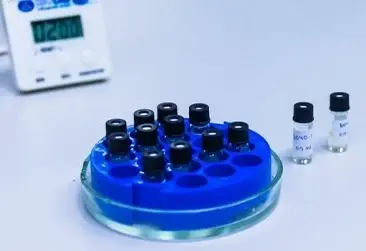
- On-site sample collection by trained technicians
- Initial First Draw & Follow-Up Flush sampling
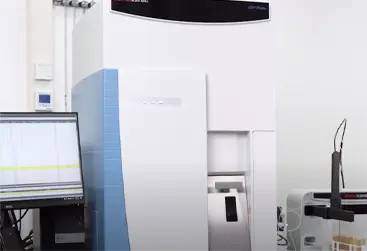
- Analysis by a certified laboratory (EPA Method 200.8 by ICP-MS)
- Plumbing profile and fixture assessment support
- Detailed reporting with interpretation and recommendations
- Guidance on corrective actions, communication, and documentation
- Support with regulatory filing and notifications