Why Test Recreational Water?
The chemistry and microbiological makeup of recreational waters can shift rapidly, due to heavy bather loads, environmental factors, or inadequate disinfection practices. Testing empowers you to:
Waterborne illnesses linked to bacteria (E. coli), protozoa (Cryptosporidium, Giardia), and viruses can spread quickly in poorly maintained pools, spas, and natural bathing areas. Routine testing identifies emerging threats before they become outbreaks.
Many jurisdictions enforce strict water quality standards for public swimming pools, splash pads, and beaches. Comprehensive testing helps you comply with local health department guidelines and the Model Aquatic Health Code (MAHC) developed by the CDC (in the U.S.) or equivalent international standards.
Whether you’re a resort manager, municipality official, or waterpark operator, delivering clean, safe water builds trust, encourages repeat visits, and supports positive community relationships.
Test results guide adjustments in disinfectant dosing, filtration schedules, and circulation rates, minimizing chemical overuse, reducing costs, and extending equipment life.
Looking for more water quality testing options? Learn how we support various non-potable applications on our non-potable water testing services page.
Trusted Standards & Certifications
We maintain the highest standards in environmental compliance and sustainability. Our certifications demonstrate our commitment to responsible practices and regulatory excellence.
Key Parameters & What They Indicate
Why Test:
Maintaining proper sanitizer levels is essential for killing harmful microbes. Low residuals invite bacteria and algae growth while excessive levels can irritate skin, eyes, and the respiratory system.
pH and Alkalinity
Why Test:
Balanced pH (typically between 7.2 and 7.8) ensures that disinfectants work effectively and prevents corrosion or scaling in equipment. Proper alkalinity stabilizes pH, improving overall water chemistry control.
Microbial Indicators (E. coli, Total Coliforms, Enterococci)
Why Test:
These indicator organisms signal potential fecal contamination. High counts prompt immediate corrective actions, such as temporary closures, shock chlorination, or enhanced filtration.
Turbidity & Clarity
Why Test:
Turbid or cloudy water reduces visibility and can hide swimmers in distress. It may also indicate filtration inefficiencies or the presence of suspended particles and microbes. Clear water enhances safety and aesthetic appeal.
Pathogen-Specific Testing (Legionella, Cryptosporidium, Pseudomonas)
Why Test:
Certain pathogens persist even under standard disinfection regimes, especially in warm environments like spas. Targeted testing and advanced treatment measures (e.g., UV or ozone systems) may be needed to keep these opportunistic microbes at bay.
Chemical Balance (Calcium Hardness, Cyanuric Acid)
Why Test:
Calcium hardness affects water balance and equipment longevity. In outdoor pools, cyanuric acid stabilizes chlorine against UV degradation. Too much can reduce disinfectant effectiveness, requiring careful monitoring to maintain ideal concentrations.
Applications Across Recreational Settings
Meet local health department standards, maintain crystal-clear water, and reduce the risk of recreational water illnesses, ensuring a positive experience for families and swim clubs.
Reinforce brand reputation by providing guests with hygienic, well-maintained pools and hot tubs. Testing data guides adjustments to create comfortable environments free from unpleasant odors, rashes, or infections.
Young children are often more susceptible to waterborne illnesses. Regular testing ensures these high-contact play areas remain safe, supports family trust, and aligns with public health guidance.
Identify spikes in bacterial contamination following heavy rains or high visitor turnout. Monitoring ensures timely advisories or closures, protecting ecosystems and public health.
To see how we assist property managers, public health officials, and recreational facility operators, visit Who We Serve.
Interpreting Data & Taking Action
At PITS Environmental, we do more than just provide data. We help you understand what the results mean, why they matter, and how to respond:
If chlorine demand spikes or pH drifts, we’ll advise on dosing corrections, filtration backwash schedules, and supplementary disinfection methods.
Our experts work with you to develop risk management strategies, from adjusting circulation rates and filtration types to implementing secondary disinfection systems like UV or ozone.
We can provide documentation and interpretation of results aligned with official guidelines, ensuring smooth inspections and reducing the risk of penalties or forced closures.
Quality Assurance & Expert Guidance

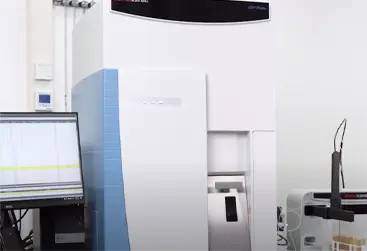
Our lab adheres to accredited testing procedures, using well-maintained instruments and standardized methods to ensure reliable, comparable data.

Responsive Support
When test results warrant urgent action, like a pathogen detection or a major imbalance, we communicate findings quickly and offer immediate steps to restore safe conditions.

We also offer
Training & Education: training for your maintenance staff on sampling techniques, daily pool checks, and best practices for water treatment. Educating your team fosters long-term consistency and autonomy.
Need immediate assistance or want to schedule testing? Contact Us today.