Why Test Industrial Discharges?
Industrial discharges vary widely depending on the raw materials, production processes, and end products involved. Without robust testing, facilities risk environmental harm, operational inefficiencies, reputational damage, and costly penalties for non-compliance. Effective testing allows you to:
Ensure compliance with NPDES and regional environmental regulations. Our wastewater testing aligns with discharge requirements and supports adherence to local, state, and global standards.
Identify which constituents require targeted removal, helping you refine chemical usage, reduce energy costs, and manage sludge disposal more efficiently.
Detect corrosive or scale-forming chemicals before they damage pipes, pumps, or downstream treatment units.
Show stakeholders, investors, and the public that you’re committed to responsible environmental practices.
Trusted Standards & Certifications
We maintain the highest standards in environmental compliance and sustainability. Our certifications demonstrate our commitment to responsible practices and regulatory excellence.
Real-World Industry Examples
Contaminants:
Hydrocarbons, benzene, toluene, ethylbenzene, and xylene (BTEX), phenols, and heavy metals.
Why Test:
Refineries operate under stringent effluent limitations to prevent toxic hydrocarbons and metals from entering waterways. Accurate testing ensures compliance with environmental permits and protects local ecosystems and municipal water supplies.
Contaminants:
High biochemical oxygen demand (BOD), chemical oxygen demand (COD), fats, oils, greases (FOG), nutrients (nitrogen, phosphorus).
Why Test:
Discharging untreated organic-rich wastewater can deplete oxygen in receiving waters, harming fish and other aquatic life. Monitoring BOD/COD and nutrients ensures compliance with municipal pretreatment standards and can reveal opportunities to enhance resource recovery and reduce treatment costs.
Contaminants:
Suspended solids, color, chlorinated organic compounds (AOX), and wood-derived organics.
Why Test:
Regulatory agencies often limit the release of chlorinated compounds due to their persistence and toxicity. Testing helps mills maintain compliance, reduce pollutant loadings, and meet sustainability targets by optimizing bleaching and treatment processes.
Contaminants:
Heavy metals (chromium, nickel, zinc), cyanides, acidic/alkaline discharges.
Why Test:
Strict local and federal mandates control metals and cyanides due to their toxicity and environmental persistence. Routine testing allows quick process adjustments—such as adjusting plating bath chemistry or adding pretreatment steps—before pollutants exceed regulated limits.
Contaminants:
Active pharmaceutical ingredients (APIs), solvents, antimicrobial compounds, endocrine-disrupting chemicals.
Why Test:
Regulatory interest in emerging contaminants is growing. Testing ensures that APIs and other biologically active substances don’t escape into receiving waters, where they could affect aquatic life or human health. Data-driven insights can guide investment in advanced treatment technologies like activated carbon or membrane filtration.
Contaminants:
Synthetic dyes, surfactants, metals, and salts.
Why Test:
Color-intensive and high-salinity effluents can harm aquatic ecosystems. Meeting discharge standards requires continuous monitoring and fine-tuning treatment approaches—such as chemical precipitation or advanced oxidation—to ensure you meet local color and pollutant load limits.
Contaminants:
Oil, grease, solvents, coolants, heavy metals.
Why Test:
Preventing oils and solvents from entering surface waters is critical for maintaining aquatic habitat quality. Regular testing supports adjustments in on-site separation units or oil-water interceptors, ensuring that contaminants remain within permissible thresholds.
For more information or to discuss your specific compliance needs, please contact our team.
Analytical Techniques & Tools
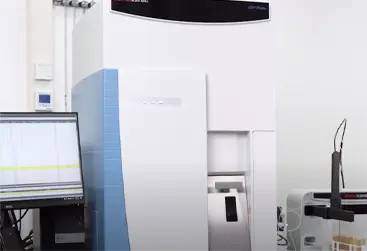
We leverage ICP-MS for trace metal detection, GC-MS/MS and LC-MS/MS for complex organics, and spectroscopic methods for turbidity, color, and nutrient analysis.

For processes needing immediate feedback, like fine-tuning pH, adding coagulants, or controlling nutrient dosing, we assist in deploying continuous monitoring systems and integrating their data into your operational workflows.

When puzzling exceedances occur, our forensic-level investigations pinpoint culprit compounds and upstream process sources. This strategic detail guides targeted mitigation efforts.
Case-specific investigations are detailed in our case studies to illustrate how forensic testing resolved persistent exceedances.
Interpreting the Data & Driving Improvements

Compliance Roadmaps
We translate raw data into actionable insights, helping you maintain compliance now and anticipate future regulatory shifts.

Operational Optimization
Through data trend analysis, we identify patterns, such as recurring exceedances after maintenance periods and recommend process adjustments or treatment upgrades.
Resource Efficiency
Understanding which contaminants are most troublesome allows you to invest in the right technologies, reduce unnecessary chemical usage, and minimize sludge handling costs.
As industrial discharge standards evolve, whether through stricter nutrient limits, tighter metal restrictions, or the addition of emerging contaminants like PFAS, partnering with PITS Environmental ensures that you’re always one step ahead. Our experts track regulatory changes, adopt new analytical methods, and provide strategic recommendations that safeguard your compliance, infrastructure, and reputation well into the future.