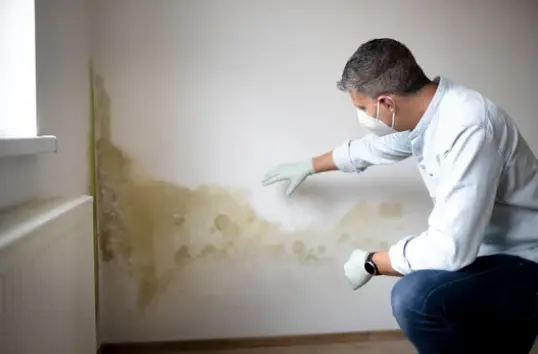
Pre-remediation testing is an essential first step in any mold cleanup project. As a New York State–licensed Mold Assessor, PITS Environmental conducts thorough, compliant assessments to accurately determine the type, extent, and source of mold contamination before any remediation work begins.
This critical process ensures that the remediation plan is properly designed, targeted, and fully aligned with state requirements—preventing unnecessary work, avoiding hidden mold issues, reducing long-term costs, and protecting the health and safety of occupants.
With our licensed expertise, you can move into remediation with clarity, confidence, and a clearly defined scope of work.
Pre-remediation testing identifies the type and extent of mold contamination, ensuring remediation targets the right areas and addresses the underlying causes.
Prevents Over- or Under-Remediation
Without testing, remediation efforts may overlook hidden mold or unnecessarily target unaffected areas, leading to wasted resources or incomplete cleanup.
Ensures Health and Safety
Testing identifies harmful mold species and airborne spores that could pose health risks to occupants and workers, allowing for proper safety measures.
Supports Regulatory Compliance
Many local and federal guidelines require mold assessments before remediation begins to ensure proper handling and reporting.
By documenting pre-remediation conditions, you create a baseline for comparison with post-remediation testing, ensuring the cleanup was successful.
License & Certifications
Trusted Standards & Certifications
We maintain the highest standards in environmental compliance and sustainability. Our certifications demonstrate our commitment to responsible practices and regulatory excellence.
Provides actionable insights and recommendations for remediation planning.
Expert Insights on Testing Methods
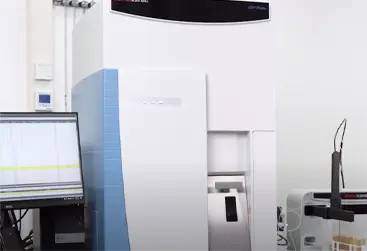
ICP-MS (Inductively Coupled Plasma Mass Spectrometry) for detecting trace metals with precision.
Microbiological Testing for identifying pathogens like E. coli and Legionella.
Ion Chromatography for measuring ions like nitrates and sulfates.
Why Choose PITS Environmental?
Accredited Expertise
Our lab meets stringent standards, ensuring accuracy and reliability.
Advanced Technology
We utilize state-of-the-art instruments for precise analysis.
Tailored Solutions
Testing services customized to your specific agricultural needs.
Fast Turnaround
Timely results to help you make critical decisions without delay.
Reliable Water and Air Quality Testing Services
Protect your environment with our specialized water and air quality testing solutions, offering comprehensive analysis to detect contaminants, convenient sample collection, and on-site testing for immediate results. Contact us today to schedule a consultation or on-site visit and take the first step toward a healthier, safer environment!
Testing ensures you know the full extent of the mold issue. Without it, remediation may miss hidden mold, leaving health risks and contamination behind.
How does pre-remediation testing save money?
By pinpointing affected areas, testing prevents unnecessary remediation, reducing overall costs and ensuring resources are used efficiently.
What happens if mold isn’t visible?
Even if mold isn’t visible, it could be growing behind walls, under flooring, or in air ducts. Pre-remediation testing uses advanced tools like air sampling and moisture mapping to detect hidden contamination.
Is pre-remediation testing required by law?
Some local and federal regulations mandate pre-remediation testing to ensure proper handling of mold and to meet insurance or legal requirements.
How long does pre-remediation testing take?
The testing process typically takes a few hours, and results are available within 3–5 business days, depending on the complexity of the case.
Have more questions?
Don’t see your answer here? Our support team is ready to assist you with any specific concerns or detailed inquiries.