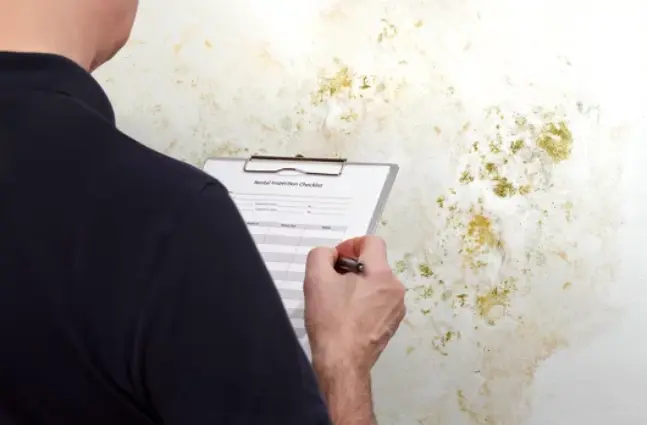
Mold often develops in damp or poorly ventilated spaces, and its presence can have significant consequences if not addressed promptly. Here’s why mold inspection is essential:
Protects Health
Mold releases spores that can trigger respiratory problems, allergies, and skin irritation. Prolonged exposure can lead to severe health complications, especially for children, the elderly, and individuals with compromised immune systems.
Ensures Compliance
Both NY and NJ have mold-related regulations that property owners and businesses must follow. An inspection ensures you meet these requirements and avoid potential penalties.
Identifies Hidden Issues
Mold often grows in concealed areas such as behind walls, in HVAC systems, or under flooring. A professional inspection uncovers these hidden threats.
Supports Real Estate Transactions
For buyers and sellers, mold inspections are vital for transparent property evaluations and preventing disputes during the sale process.
Prevents Property Damage
Mold can deteriorate building materials like drywall, wood, and insulation, leading to costly repairs if left untreated.
License & Certifications
Trusted Standards & Certifications
We maintain the highest standards in environmental compliance and sustainability. Our certifications demonstrate our commitment to responsible practices and regulatory excellence.
Our Mold Inspection Process
At PITS Environmental, we follow a thorough and professional approach to mold inspections:
01
Initial Consultation
We discuss your concerns and gather information about the property, such as past water damage or visible mold signs.
02
Visual Assessment
Our inspectors examine the property for visible signs of mold, moisture damage, and poor ventilation.
03
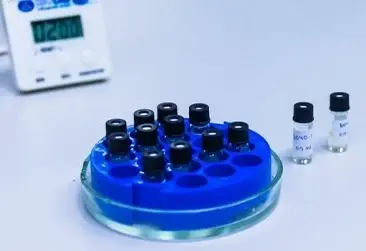
Air and Surface Sampling
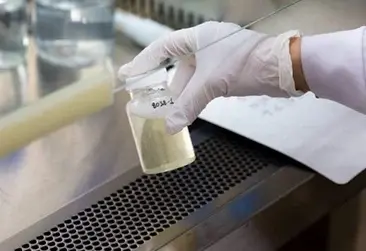
We provide sampling services tailored to detect bacteria, metals, and chemical compounds in air, water, and surfaces.
04
Moisture Detection
Using advanced tools, we identify moisture levels in walls, ceilings, and other areas where mold may grow.
05
Comprehensive Reporting
We provide a detailed report, including the presence and type of mold, moisture sources, and recommended remediation steps.
Mold Regulations in New York and New Jersey
Both NY and NJ recognize the health risks associated with mold and have established guidelines to ensure safety:
New York
The Mold Assessment and Remediation Act (Article 32) requires licensed mold assessment professionals for inspections and plans. Remediation plans are required for mold affecting over 10 square feet in homes, offices, or public buildings. This law helps ensure safe and effective mold removal practices.
New Jersey
While NJ lacks a specific mold law, landlords are obligated under the New Jersey Habitability Law to maintain mold-free living conditions. Public health agencies can intervene when mold poses a health risk.
You can learn more about the areas we serve by visiting our locations page.
Why Mold Inspections Are Essential in NY and NJ?
Mold exposure, like contaminated drinking water, can lead to serious health effects. Combined environmental threats may include hidden microbial growth, poor ventilation, and tainted water supplies. That’s why comprehensive water testing and mold inspection go hand in hand for public safety.
Health Standards
Mold inspections help meet local health and safety standards, particularly in sensitive environments like healthcare facilities, schools, and residential properties.
Prevention of Escalating Problems
Early detection prevents small mold issues from becoming larger, costlier problems.
Legal and Financial Protection
Non-compliance with mold-related regulations can result in legal actions and financial penalties. Regular inspections demonstrate responsibility and compliance.
Expert Insights on Testing Methods
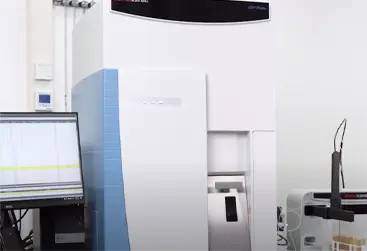
ICP-MS (Inductively Coupled Plasma Mass Spectrometry) for detecting trace metals with precision.
Microbiological Testing for identifying pathogens like E. coli and Legionella.
Ion Chromatography for measuring ions like nitrates and sulfates.
Why Choose PITS Environmental?
Accredited Expertise
Our lab meets stringent standards, ensuring accuracy and reliability.
Advanced Technology
We utilize state-of-the-art instruments for precise analysis.
Tailored Solutions
Testing services customized to your specific agricultural needs.
Fast Turnaround
Timely results to help you make critical decisions without delay.
Reliable Water and Air Quality Testing Services
Protect your environment with our specialized water and air quality testing solutions, offering comprehensive analysis to detect contaminants, convenient sample collection, and on-site testing for immediate results. Contact us today to schedule a consultation or on-site visit and take the first step toward a healthier, safer environment!
Visible discoloration or stains on walls, ceilings, or floors
Increased allergy or asthma symptoms among occupants
Evidence of water leaks or dampness
Why should I get a professional mold inspection instead of handling it myself?
Professional inspections are thorough, detecting mold even in hidden areas. They also provide laboratory testing to identify mold types and accurate remediation recommendations, which are crucial for compliance and safety.
How often should mold inspections be conducted?
Inspections are recommended annually for high-risk properties, such as those near water sources or with a history of leaks, or after floods, water damage, or significant renovations.
What happens if mold is found?
We provide a detailed report outlining the extent of the mold problem, its causes, and recommendations for remediation. We can also recommend trusted remediation professionals in your area.
Do you offer emergency mold inspections?
Yes, we provide expedited inspections for urgent cases, such as after flooding or suspected health risks.
Have more questions?
Don’t see your answer here? Our support team is ready to assist you with any specific concerns or detailed inquiries.