What is Moisture Mapping?
Moisture mapping is a detailed process that identifies areas of elevated moisture in a property. It involves using specialized equipment to detect moisture levels in building materials and track the extent of water intrusion. The data collected during moisture mapping is used to create a visual representation (a ‘map’) of affected areas, helping to pinpoint hidden moisture sources that may not be visible to the naked eye.
Trusted Standards & Certifications
We maintain the highest standards in environmental compliance and sustainability. Our certifications demonstrate our commitment to responsible practices and regulatory excellence.
Why Moisture Mapping is Essential for Mold Inspection?
Moisture mapping plays a critical role in mold inspections for several reasons:
Mold thrives in damp environments. By pinpointing the sources of moisture, such as leaks, condensation, or poor drainage, moisture mapping helps address the underlying issues that lead to mold growth.
Early detection of hidden moisture allows for timely repairs, reducing the risk of mold proliferation and structural damage.
In states like NY and NJ, mold remediation must address moisture issues to comply with local health and safety regulations.
How the Moisture Mapping Process Works
At PITS Environmental, our moisture mapping process is thorough, efficient, and tailored to the unique needs of each property. Here’s how we do it:
We gather information about the property’s history, including any known water damage, leaks, or mold issues.
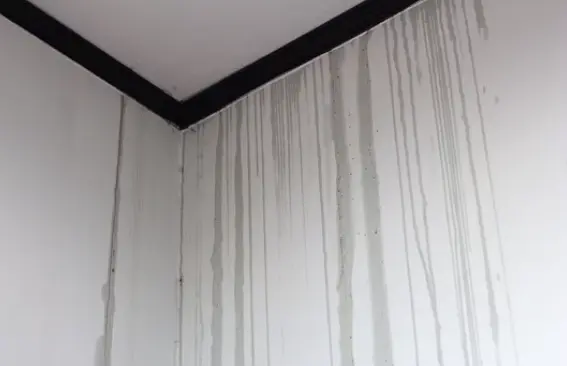
Our specialists perform a detailed walkthrough to identify visible signs of water intrusion, such as discoloration, peeling paint, or warped materials.
Using state-of-the-art equipment, we measure moisture levels in building materials, including walls, ceilings, floors, and structural components:
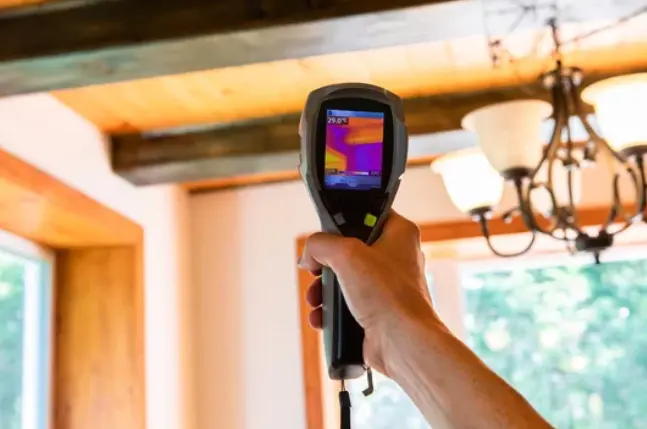
- Infrared Cameras: Detect temperature differences caused by moisture, providing a non-invasive way to locate hidden water damage.
- Moisture Meters: Measure the moisture content of materials such as drywall, wood, and concrete, giving precise data on affected areas.
- Hygrometers: Assess humidity levels in the air, which can indicate excessive moisture that fosters mold growth.
We compile and analyze the data to create a moisture map, showing the extent and severity of moisture intrusion throughout the property.
We provide a detailed report with visual moisture maps, findings, and recommendations for remediation or preventive measures.
You can learn more about our documentation process on our assessment reports page.
How Our Reports Help Customers
Our moisture mapping reports provide invaluable insights to property owners and managers. Each report includes:
Easy-to-understand diagrams highlighting affected areas and moisture levels.
A breakdown of the data collected, including moisture content, humidity levels, and potential causes of water intrusion.
Clear, actionable steps to address moisture issues, prevent mold growth, and protect the property.
Reports can be used as supporting documentation for insurance claims, legal disputes, or regulatory audits.
Areas Typically Inspected During Moisture Mapping
Our moisture mapping services cover a wide range of areas to ensure a thorough assessment:
To detect water intrusion from leaks, condensation, or roof damage.
Especially in basements and crawl spaces, where groundwater seepage or plumbing leaks are common.
To identify seal failures or improper installation that allows water ingress.
To assess for condensation or leaks within ducts and equipment.
High-moisture areas prone to plumbing leaks or improper ventilation.
Frequently affected by high humidity, seepage, or flooding.
Ready to get started? Book a moisture test to identify hidden risks and protect your property.
Where Moisture Mapping is Commonly Used?
Moisture mapping is an essential service for many property types and situations:
- Residential Properties: Homeowners benefit from identifying hidden leaks and ensuring their living spaces remain safe and healthy.
- Commercial Properties: Businesses use moisture mapping to protect employees and customers, comply with safety regulations, and avoid costly downtime due to mold or structural issues.
- Healthcare Facilities: Hospitals and clinics require moisture mapping to maintain high indoor air quality standards and protect vulnerable patients from mold exposure.
- Real Estate Transactions: Buyers and sellers often request moisture mapping to ensure the property is free from hidden moisture issues, which could lead to disputes or unexpected repair costs.
- Post-Water Damage Situations: Moisture mapping is crucial after flooding, leaks, or burst pipes to ensure all affected areas are properly dried and repaired.